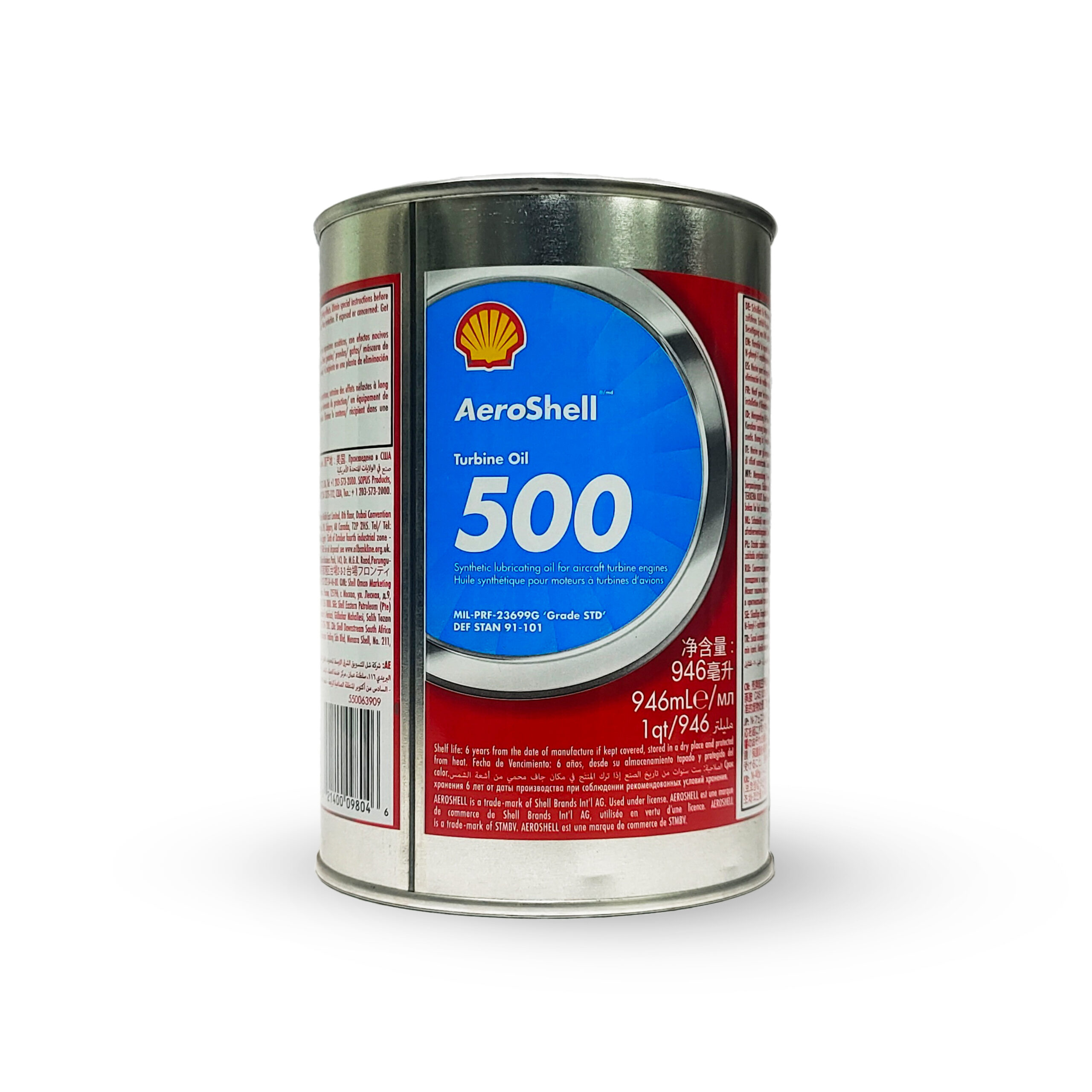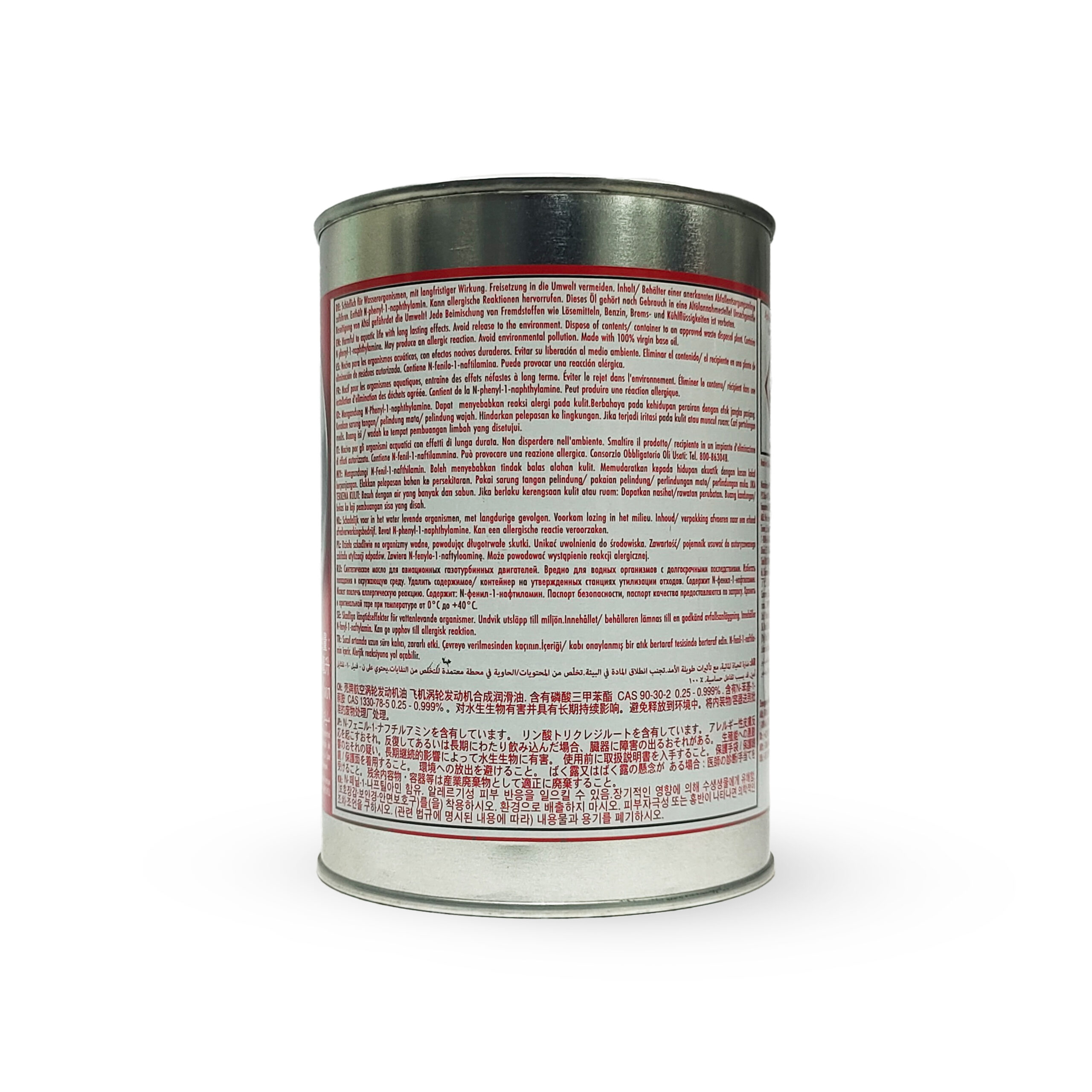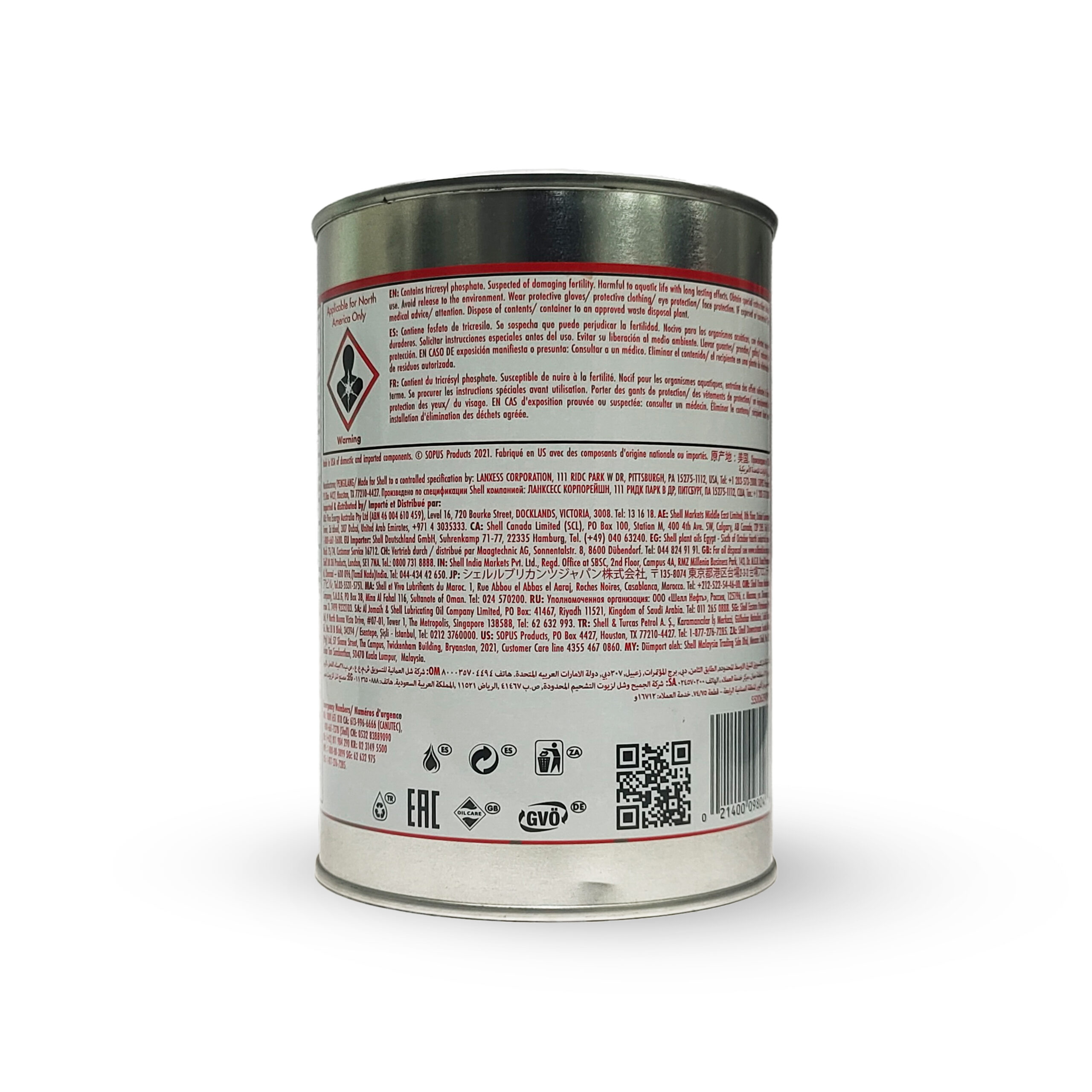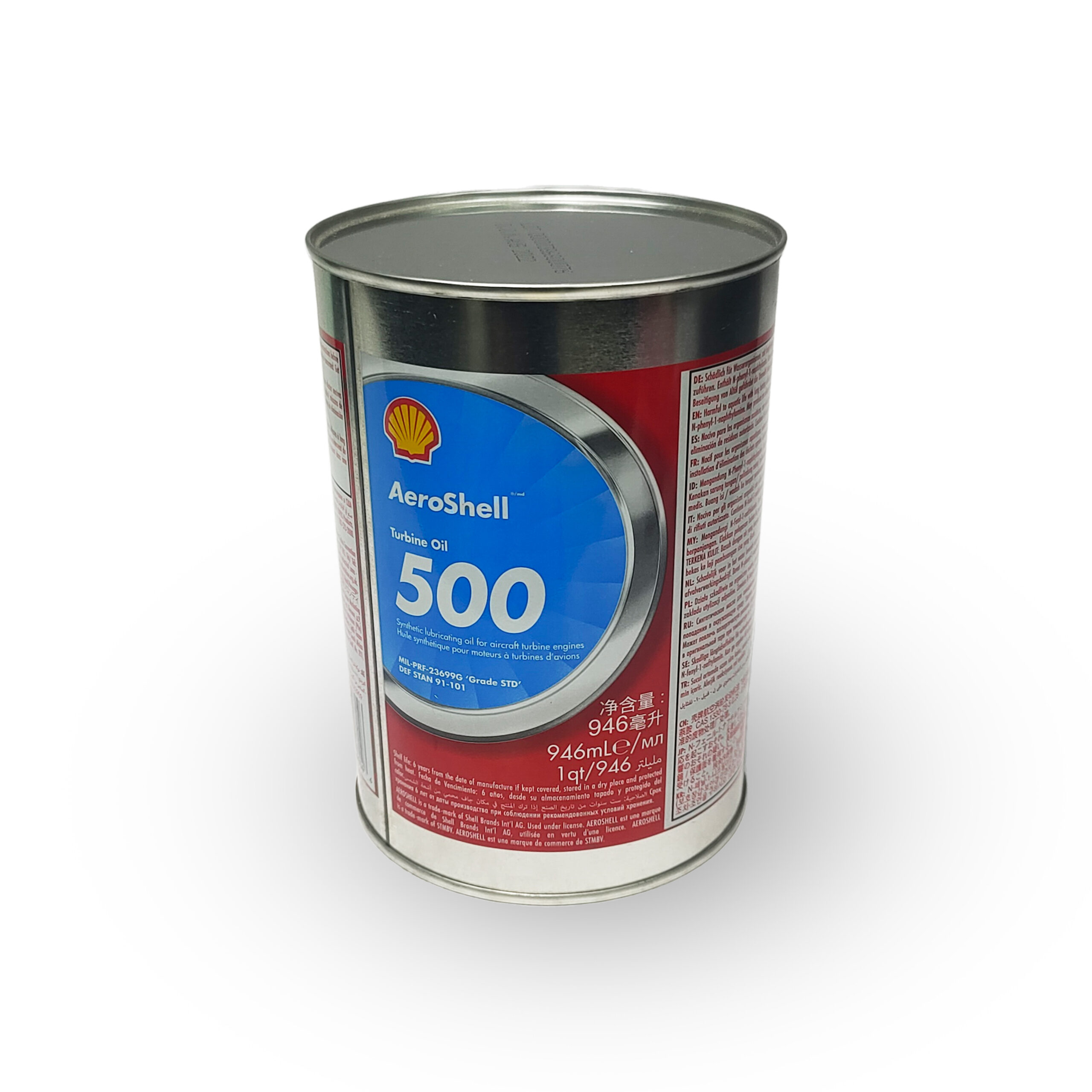
Shell AeroShell 500 Turbine Oil

SKU :

Pack Size : 946 ml

Category

Downloads

Share Product :

Description

AeroShell Turbine Oil 500 is a 5 mm2 /s synthetic hindered ester oil incorporating a carefully selected and balanced combination of additives to improve thermal and oxidation stability and metal passivation.

Application

AeroShell Turbine Oil 500 was developed essentially to meet the requirements of Pratt & Whitney 521 Type II and MIL-L23699 specifications and is entirely suitable for most civil and military engines requiring this class of lubricant. AeroShell Turbine Oil 500 is approved for use in a wide range of turbine engines as well as the majority of accessories. · With the advent of the new civil turbine oil specification, SAE AS5780, which has more stringent requirements than the military specification MIL-PRF-23699, AeroShell Turbine Oil 500 was approved as a SPC (Standard Performance Capability) oil. AeroShell Turbine Oil 500 contains a synthetic ester oil and should not be used in contact with incompatible seal materials and it also affects some paints and plastics.

Direction to Use

Key Usage and Handling Guidelines Consult Manufacturer Manuals: The primary direction for use is found within the maintenance and operating manuals provided by the engine manufacturer (e.g., Pratt & Whitney, General Electric, Rolls-Royce). These documents detail the specific application points, oil change intervals, and quantity required. Intended Use: The oil is designed for use in jet and turboprop engines, helicopter gearboxes, and industrial gas turbines where a MIL-PRF-23699 or SAE AS5780 SPC class oil is specified. Incompatibility Warning: It contains a synthetic ester oil and should not be used in contact with incompatible seal materials, paints, or plastics, as it can cause degradation. Do Not Mix: Avoid mixing this oil with water, impurities, halogens, strong acids, alkalis, or oxidizing materials. Safe Handling and Storage Precautions Personal Hygiene: Always observe good personal hygiene measures, such as washing hands thoroughly with soap and water after handling the material and before eating, drinking, or smoking. Personal Protective Equipment: Wear suitable protective equipment (e.g., impervious gloves, safety footwear) to avoid prolonged or repeated skin and eye contact. Ventilation: Use adequate general or local exhaust ventilation to control airborne concentrations of vapors, mists, or aerosols, especially if the material is heated or sprayed. Storage: Keep containers tightly closed in a cool, dry, well-ventilated place, away from direct sunlight, heat sources, and open flames. Store in original containers (mild steel or high-density polyethylene are recommended materials; avoid PVC). Disposal: Take used oil to an authorized collection point. Do not discharge it into drains, soil, or water to prevent environmental contamination.